When a young girl’s Early intervention services eyes light up over a puzzle but then flicker to the same spot on a math worksheet, parents often wonder if something’s off. It’s not just a quirky phase; many autistic girls face unique early academic concerns that can ripple through their learning journey. This guide breaks down the signs, the science, and the practical steps you can take to help your child thrive—without losing your sanity or your sense of humor.
Understanding the Landscape
What Parents Notice First
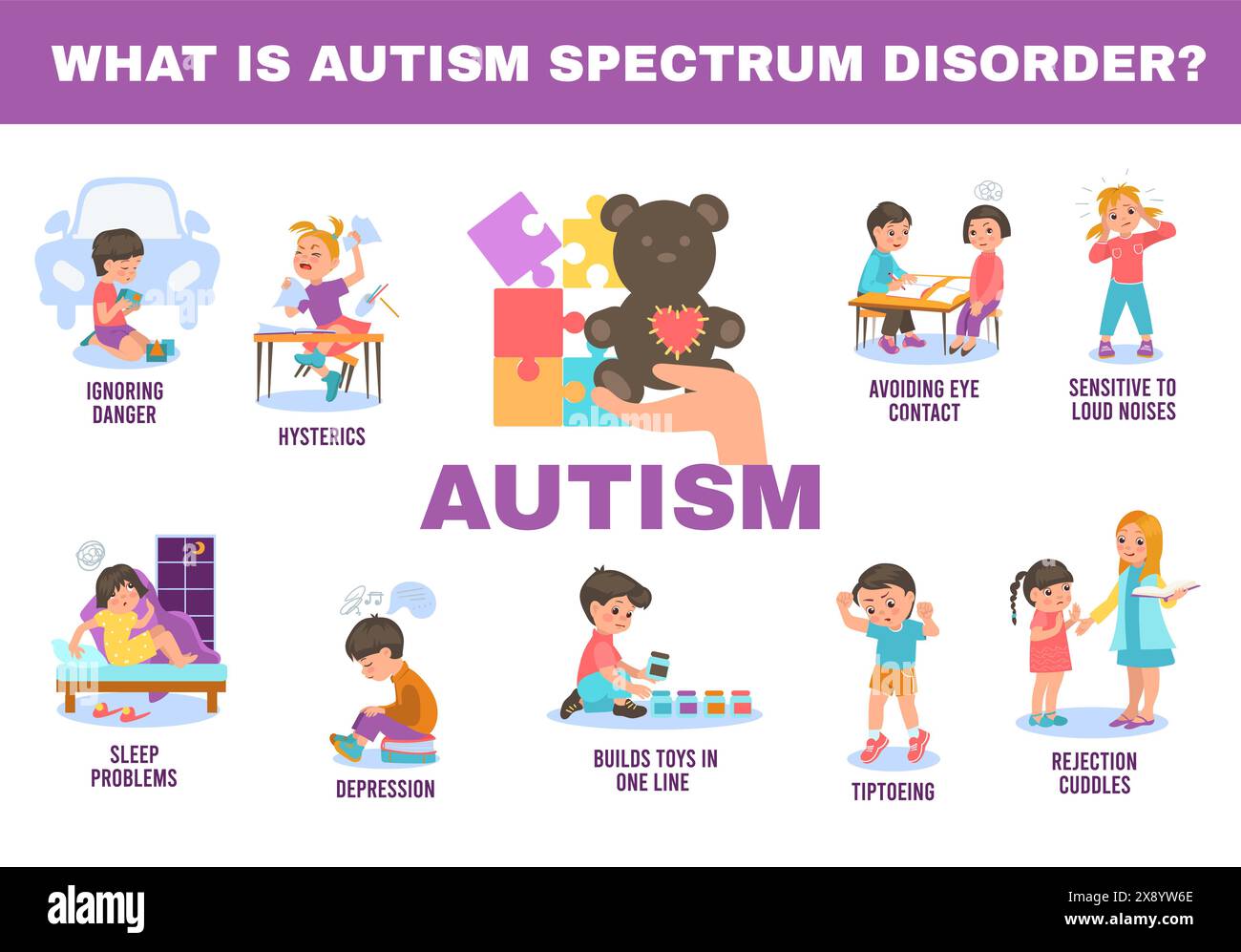
The first red flag might look like a child who prefers solitary play over group activities, or who becomes visibly upset when a routine changes. In the classroom, this can surface as difficulty following multi-step instructions or a sudden drop in participation during group work. A simple observation—such as a pause before answering a question—can be a clue that the child is processing information differently.
Common Misconceptions
It’s easy to fall into the trap of thinking “she’s just shy” or “she’s not trying hard enough.” These assumptions ignore the fact that many autistic girls experience sensory overload, executive function challenges, and social communication differences that manifest as academic struggles. Recognizing that early academic concerns are often rooted in neurodiversity is the first step toward meaningful support.
The Science Behind Learning Differences
Brain Wiring and Academic Tasks
Research shows that autistic brains often process patterns and details differently. While this can be a strength in tasks like memorization or visual analysis, it can also mean that abstract concepts or multi-step reasoning feel like climbing a steep mountain. Understanding this can help parents and teachers frame challenges as “different pathways,” not failures.
Sensory Overload and Focus
Classrooms are sensory mazes: bright lights, loud chatter, and constant movement. For many autistic girls, these stimuli can overwhelm the attention system, turning a simple math problem into a distraction-filled nightmare. When focus drifts, early academic concerns become more pronounced—especially in subjects that require sustained attention.
Practical Strategies for Parents and Educators
Creating a Structured Routine
A predictable environment reduces anxiety. Consider:
- Visual schedules: Post a simple chart of daily activities. Timer cues: Use a gentle countdown for transitions. Consistent seating: Assign a regular spot to minimize environmental surprises.
By anchoring the day, you give your child a stable reference point to navigate learning tasks.
Leveraging Strengths and Interests
Autistic girls often have deep passions—whether it’s astronomy, coding, or storytelling. Tying academic content to these interests can transform a Helpful hints daunting worksheet into an exciting exploration. For example, if she loves space, frame algebraic equations as “calculating the trajectory of a rocket.”
Communication Techniques
Clear, concise language helps. Try:
- Chunking information: Break instructions into two or three steps. Visual supports: Pair words with pictures or diagrams. Check‑in questions: Ask “Do you understand this part?” rather than “Did you finish?”
These tweaks can turn a confusing assignment into a manageable task.
When to Seek Professional Support
Early Intervention Services
Early intervention programs can provide tailored support in areas like speech therapy, occupational therapy, and specialized tutoring. These services often start with a comprehensive assessment that identifies specific early academic concerns and maps out a personalized plan.
Choosing the Right Specialist
Look for professionals who:
- Have experience with autistic girls specifically. Use evidence‑based methods. Offer a collaborative approach with parents.
A good specialist will help you understand the “why” behind the challenges and guide you on practical next steps.
Anecdote & Quote
I once met Maya, a bright eight‑year‑old who could recite the entire periodic table but would freeze when asked to solve a word problem. She told her teacher, “I can’t see the numbers, I see a maze.” Her teacher listened, adjusted the lesson, and introduced a “maze” graphic organizer. Maya’s confidence surged. As Maya’s mother later reflected, “When we turned the maze into a map, she didn’t just solve the problem—she mapped her own path.”

> “Understanding is not a cure, but it’s the first step toward empowerment.” – Dr. Lisa Thompson, child psychologist
Future-Proofing Academic Success
Long-Term Goals
Set realistic milestones that celebrate progress, not perfection. For instance, aim for “complete a single-step math problem independently” before moving to multi-step problems. Each success builds confidence and reduces the weight of early academic concerns.
Building Resilience
Teach coping strategies such as deep‑breathing exercises, sensory breaks, and self‑advocacy skills. When a child learns to pause and self‑regulate, she gains tools to face future challenges—academic or otherwise.
Charting the Path Forward
You’re not alone in this journey. By spotting early academic concerns early, embracing the science of neurodiversity, and implementing practical strategies, you can help your autistic girl turn potential roadblocks into stepping stones. Remember, the goal isn’t to fit a mold—it’s to craft a learning environment that celebrates her unique strengths while gently addressing her challenges.
If you’re ready to take the next step, reach out to local support groups, school counselors, or early intervention programs. The first conversation can be the most powerful catalyst for change. Your child’s future is bright; it just needs the right roadmap.